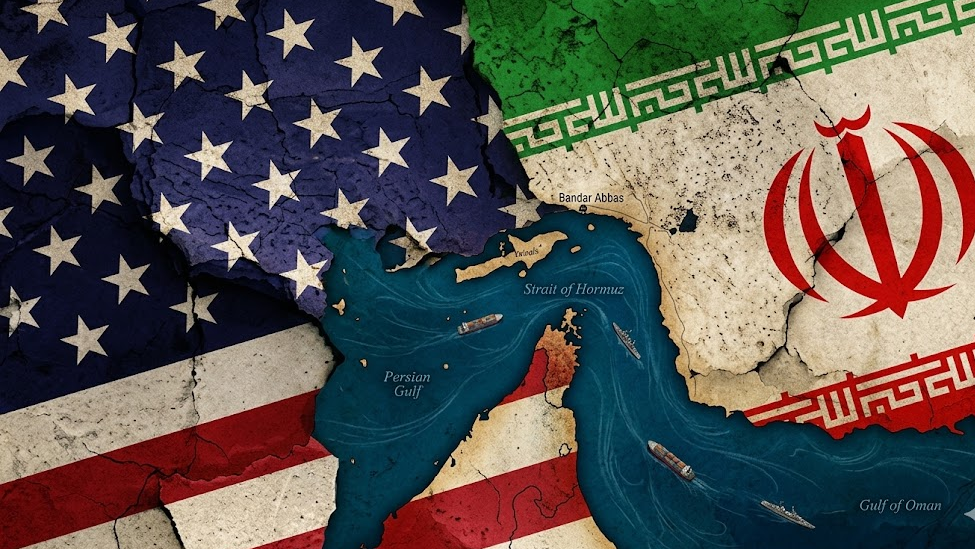
The geopolitical landscape of the Middle East has entered a new and dangerous phase as the United States moves forward with a naval blockade targeting Iranian ports, while simultaneously increasing its control over the strategically vital Strait of Hormuz. This development follows the collapse of high-level diplomatic talks between Washington and Tehran, marking a significant escalation in tensions between the two long-time adversaries.
The U.S. Central Command (CENTCOM) confirmed that the blockade officially began on April 13, applying to all maritime traffic entering and exiting Iranian ports, regardless of the nationality of the vessels involved. This means that commercial ships, oil tankers, and cargo vessels attempting to access Iranian coastal facilities in the Arabian Gulf and the Gulf of Oman may now face interception or restriction by U.S. naval forces.

Importantly, U.S. officials clarified that the operation is not a complete closure of the Strait of Hormuz. Instead, it is a targeted blockade focused specifically on Iran. Ships traveling to and from non-Iranian ports are still allowed to pass through the strait, preserving a degree of global maritime flow. However, the presence of U.S. naval forces and heightened military monitoring has effectively placed one of the world’s most critical energy corridors under tight supervision.
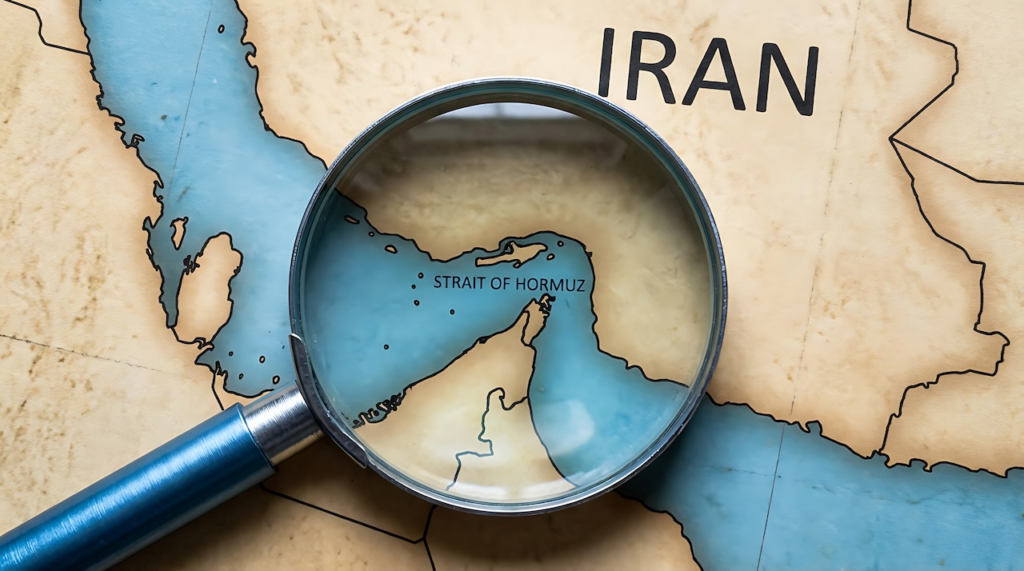
The Strait of Hormuz is widely considered one of the most strategically important waterways on the planet. Roughly one-fifth of the world’s oil supply passes through this narrow passage each day, making it a key artery for global energy markets. Any disruption, or even the threat of disruption, can have immediate and far-reaching consequences for oil prices and economic stability worldwide.
The decision to implement the blockade came shortly after peace negotiations between the United States and Iran failed to produce an agreement. The talks, which had been seen as a potential breakthrough moment, ultimately collapsed due to disagreements over Iran’s nuclear program and broader regional influence. In response, the U.S. administration opted for a more aggressive strategy aimed at increasing economic and strategic pressure on Tehran.
President Donald Trump described Iran’s actions in the region as unacceptable, accusing the country of threatening global shipping routes and engaging in what he called “extortion” tactics. The blockade is therefore intended not only as a punitive measure but also as leverage to force Iran back to the negotiating table under more favorable terms for Washington.
Iran, however, has reacted strongly to the move. Officials and military leaders warned that any attempt by foreign forces to interfere in the Strait of Hormuz could be viewed as a violation of existing ceasefire conditions and would provoke a severe response. The Iranian Revolutionary Guard Corps has indicated that it is prepared to defend its territorial waters and national interests, raising fears of direct military confrontation.
The situation has already begun to affect global markets. Oil prices surged past $100 per barrel following the announcement of the blockade, reflecting investor concerns about potential supply disruptions. Shipping companies and tanker operators have also started to reroute or delay voyages to avoid the increasingly volatile المنطقة, signaling growing uncertainty in international trade logistics.
Beyond economics, the blockade represents a broader strategic shift. By asserting control over maritime access to Iran, the United States is effectively tightening its grip on one of Tehran’s most critical economic lifelines: oil exports. This move could significantly impact Iran’s ability to generate revenue, especially as energy exports remain a cornerstone of its economy.
At the same time, the risk of miscalculation remains high. The close proximity of U.S. and Iranian naval forces in a confined and heavily trafficked waterway increases the likelihood of accidental encounters that could quickly escalate into armed conflict. Even a minor incident—such as the interception of a vessel or a misunderstanding between patrol units—could trigger a chain reaction with global consequences.
In conclusion, the U.S. blockade of Iranian ports and its expanded control over the Strait of Hormuz mark a critical turning point in U.S.–Iran relations. While the operation is designed to apply pressure without fully shutting down international shipping, it nonetheless raises the stakes significantly. With diplomacy stalled and military forces on high alert, the coming days and weeks will be crucial in determining whether the situation stabilizes—or spirals into a broader regional conflict.