Washington / Tehran — Reports are emerging that the United States and Iran may be preparing to resume diplomatic talks in the coming days, signaling a possible shift back toward negotiation following a period of heightened tensions and stalled discussions.
According to multiple sources familiar with ongoing diplomatic efforts, officials on both sides are currently working behind the scenes to finalize the framework for a potential new round of talks. While no official date has been confirmed, recent statements from key figures suggest that discussions could take place soon, possibly within days, depending on logistical arrangements and political considerations.
The potential resumption of talks comes shortly after a previous round of negotiations in Islamabad concluded without a final agreement. Those discussions, which lasted more than 20 hours, were seen as a critical opportunity to ease tensions and build momentum toward a broader resolution. However, significant differences remained between the two sides, particularly on issues related to nuclear policy, regional security, and economic sanctions.
Despite the lack of a breakthrough, diplomatic channels have remained active. Officials and intermediaries continue to explore ways to bring both parties back to the negotiating table. Pakistan, which previously hosted the talks, is reportedly once again being considered as a possible venue for renewed discussions, reflecting its role as a key mediator in the ongoing situation.
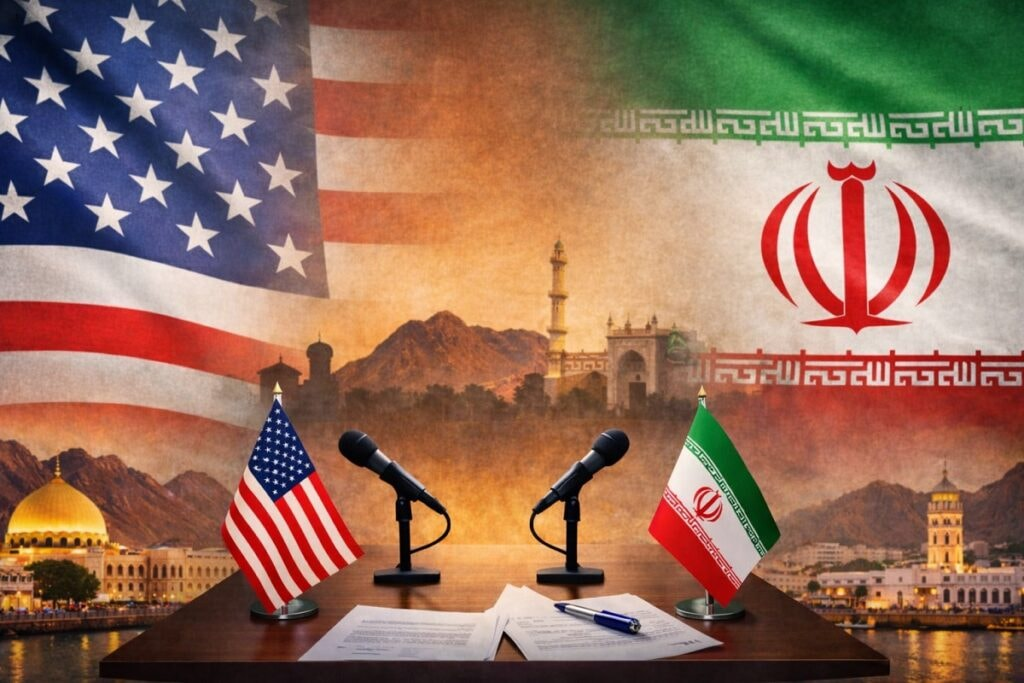
Recent remarks from U.S. leadership have added to speculation that progress may be underway. Statements indicating that talks could resume “within the next two days” have drawn attention internationally, though sources caution that such timelines remain fluid and subject to change.
At the same time, international observers have emphasized that any renewed negotiations are likely to face the same challenges that have complicated past efforts. The United States has continued to push for strict limitations on Iran’s nuclear program, while Iran has maintained its position on retaining certain capabilities and securing relief from economic sanctions. These core disagreements have historically proven difficult to bridge.
Adding further complexity to the situation, recent developments in the region have contributed to an already fragile environment. Military actions and economic measures, including a reported naval blockade affecting Iranian ports, have increased pressure on both sides and heightened global concern over potential escalation.
Despite these tensions, there are also signs of cautious optimism within the international community. The United Nations has indicated that a return to negotiations is “highly probable,” underscoring the importance of continued diplomatic engagement in resolving a conflict with far-reaching implications.
Experts note that even if talks resume in the coming days, expectations should remain measured. Previous negotiations have demonstrated that progress is often incremental, requiring sustained dialogue over multiple rounds. Any meaningful agreement would likely involve complex compromises and long-term commitments from both sides.
Meanwhile, global markets and political observers are closely monitoring the situation. The outcome of potential talks could have significant implications not only for regional stability but also for international energy markets, given the strategic importance of key shipping routes in the Middle East.
For now, much remains uncertain. Officials have yet to confirm specific details, and negotiations—if they proceed—will depend on a range of evolving factors. Still, the possibility of renewed dialogue offers a reminder that diplomacy remains a central path forward, even amid ongoing tensions.
As developments continue to unfold, attention will remain focused on whether both sides can move beyond current obstacles and take meaningful steps toward a more stable and predictable relationship.